

A white label payment gateway is a service provided by a payment processor that allows companies to customise the payment expertise and brand it as their own. Essentially, companies can use the infrastructure of an established payment processor while presenting it under their branding. This resolution is particularly appealing for businesses in e-commerce, subscription services, and digital products, as it provides each flexibility and control over the payment experience.
Types of Charges Involved
Setup Fees: Many white label payment gateways charge a one-time setup fee. This fee covers the initial configuration of the gateway to meet the specific wants of the business. It may fluctuate significantly between providers, so it’s essential to compare options.
Transaction Charges: One of the vital significant costs related with payment gateways is the transaction payment, which is typically charged as a proportion of each sale, plus a fixed quantity per transaction. For example, a common charge construction may be 2.9% + $0.30 per transaction. These charges can add up quickly, particularly for companies with high sales volumes, so understanding the payment construction is critical.
Monthly Upkeep Charges: Some providers cost a month-to-month price for maintaining the gateway and providing ongoing support. This payment may embrace additional features similar to fraud detection, reporting tools, or buyer service. While some gateways have no monthly fees, others could charge a nominal quantity, so it’s essential to factor this into your overall costs.
Chargeback Charges: Chargebacks occur when a buyer disputes a transaction, leading to a reversal of the payment. Many payment gateways impose charges for chargebacks, which can fluctuate widely. It’s essential for companies to understand these fees and have a strategy in place to minimize chargebacks.
Currency Conversion Charges: If a business operates internationally, it might encounter currency conversion fees when processing payments in numerous currencies. These charges can be substantial and needs to be accounted for when determining the overall cost of using a white label payment gateway.
Compliance and Security Charges: Making certain compliance with laws like PCI DSS (Payment Card Industry Data Security Commonplace) is crucial for any payment processing system. Some gateways may cost charges for compliance assist or security features, so it’s vital to make clear what security measures are included and what might incur additional costs.
Hidden Prices to Consider
While the charges listed above are the most common, there are potential hidden costs that companies must be aware of. For example, certain payment gateways may charge for integration with present systems, API access, or advanced reporting features. Additionally, if a enterprise needs to switch providers, there may be termination fees or prices related with data migration.
Evaluating Total Value of Ownership
When choosing a white label payment gateway, it’s necessary to judge the total cost of ownership (TCO). This means looking past just the initial fees and considering all related costs over time. Businesses ought to create a complete spreadsheet detailing all potential charges and expenses, evaluating a number of providers to make sure they find one of the best option for their needs.
Conclusion
Understanding the fees and prices associated with white label payment gateways is essential for any business looking to enhance their payment processing capabilities. By being aware of the varied types of fees, potential hidden costs, and the importance of total price of ownership, businesses can make informed decisions that align with their financial goals. Ultimately, a well-chosen payment gateway not only improves the transaction process however also can contribute to a more robust customer experience and long-term enterprise success.
Should you have almost any inquiries relating to where by and also how to work with White label payment gateway reseller, you can email us at the internet site.


Popular
-
 Allen & Heath Qu-16C Rackmountable Digital Mixer
$450.00
-
 Allen & Heath SQ-Rack 48-Channel / 36-Bus Rackmount Digital Mixer (4 RU)
$700.00
-
 Yamaha TF-Rack Digital Mixing Console
$500.00
-
 Shure ULXD4Q Quad-Channel Wireless Receiver with 10" Gooseneck Microphone Kit (G50: 470 to 534 MHz)
$2,000.00
-
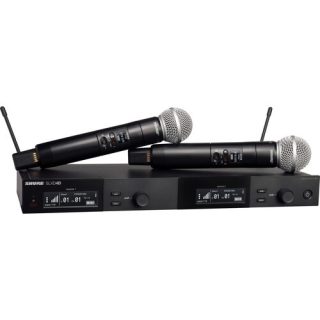 Shure SLXD24D/SM58 Dual-Channel Digital Wireless Handheld Microphone System with SM58 Capsules (G58: 470 to 514 MHz)
$400.00
Products
-
Allen & Heath Qu-16C Rackmountable Digital Mixer
$450.00
-
Allen & Heath SQ-Rack 48-Channel / 36-Bus Rackmount Digital Mixer (4 RU)
$700.00
-
Yamaha TF-Rack Digital Mixing Console
$500.00
-
Shure ULXD4Q Quad-Channel Wireless Receiver with 10" Gooseneck Microphone Kit (G50: 470 to 534 MHz)
$2,000.00
-
Shure SLXD24D/SM58 Dual-Channel Digital Wireless Handheld Microphone System with SM58 Capsules (G58: 470 to 514 MHz)
$400.00
Leave a Reply